How to Choose the Right Quad Biking Experience in the Desert
Start with the kind of ride you actually want
Choosing the right quad biking experience begins with being honest about the riding style you want. Desert riding can feel very different from a short circuit on firm ground. Sand shifts under the tires, climbs demand more body control, and open areas can tempt riders to go faster than they intended. A first timer may prefer a calm route with steady guidance, while someone with off road experience may want longer stretches, more varied terrain, and a chance to build speed safely.
Think about whether the ride is meant to sit on its own or fit into a wider desert safari. A short session can suit a packed day, especially when the main goal is to try something new. A longer outing works better when the ride itself is the highlight. Also consider the group. Children, nervous riders, and people sharing a vehicle will need a different setup from a group of confident adults who each want their own bike.
The phrase quad biking dubai often covers a wide range of experiences, from gentle dune routes to more demanding rides across open desert. Before comparing options, decide what a good ride looks like for your group: how long you want to be out, how much help you want, and whether comfort matters more than adventure. That simple starting point makes the later choices much easier.
Check who can ride and what is included
Once the style is clear, look closely at the entry conditions. Age limits, license expectations, height rules, and passenger policies can vary. These details matter because they decide whether the whole group can take part or whether some people need an alternative. If the plan includes children, ask what options exist for them and whether they ride with an adult or use a smaller vehicle.
Next, check what comes with the ride. A helmet should be provided and should fit properly. A loose helmet can shift in a turn, while one that is too tight can become distracting. Gloves, goggles, and face coverings can help with dust and grip, though availability varies. If you wear glasses, think about how they will sit under eyewear and whether a secure strap is needed.
It is also worth checking what happens before the engine starts. A clear safety briefing should explain hand signals, stopping distance, following position, and what riders should do if they become unsure during the route. Good guidance is not a formality. On sand, small mistakes can build quickly, especially when a rider panics and makes sudden steering inputs.
Match the vehicle to the rider
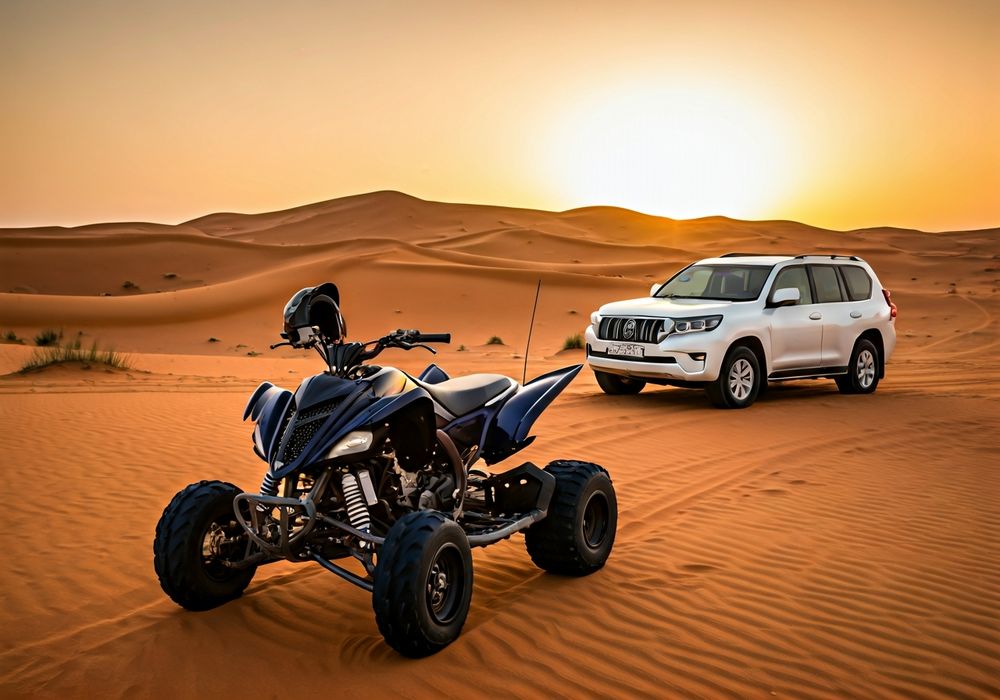
Quad bikes and dune buggies are not interchangeable. A quad bike is usually more compact and asks the rider to lean and steer with the body. It can feel lively, especially over uneven sand. A dune buggy often feels more stable because it has a lower seat and a wider stance, and it may suit riders who want a less exposed position. Neither option is automatically better. The right choice depends on confidence, physical comfort, and the kind of terrain in the plan.
Engine size is another point to consider, but bigger is not always the best choice. A powerful machine can be harder to manage for a new rider, particularly when the throttle is sensitive. A well maintained lower powered bike can still deliver a memorable ride. If two people are sharing, check whether the vehicle is designed for that and whether extra weight changes how it handles.
Ask how the vehicles are sorted by ability. A responsible operator will not place a complete beginner on the same demanding route as an experienced rider without a plan for managing the group. Watch for clear route levels, patient instruction, and a pace that leaves room to learn. If a provider seems focused only on speed, that may be a poor fit for a first ride.
Look closely at the route and timing
The landscape shapes the experience. A route with long, smooth stretches can feel relaxed and gives new riders time to settle. A route filled with steep sand dune climbs, tight turns, and sudden drops asks for more skill and concentration. Ask whether the ride stays on marked trails or includes open desert sections. An ATV trail can help keep the group together and reduce the chance of riders drifting into risky areas.
Timing matters too. Midday light can be harsh and the sand can feel more demanding, while lower light changes visibility and makes shadows harder to read. Neither time is wrong, but the ride should suit the group's tolerance for heat and dust. If the outing connects to a desert camp or other activities, leave enough room to change, rest, and eat without rushing.
Group size can change the feel of the ride. A smaller group often gives riders more room and more direct help. A larger group may move more slowly at stops and require stricter spacing. Ask how the guide manages gaps between vehicles and what happens if the group splits. Clear rules on this point are a good sign, because dust and uneven ground can make it easy to lose track of distance.
Compare safety standards, not just the vehicle
A good looking bike means little without strong safety habits. Before booking, check whether helmets are clean, intact, and offered in suitable sizes. Ask how often equipment is inspected and what happens if a rider feels uncomfortable once the ride begins. A sensible provider will take concerns seriously and adjust the plan where possible.
Pay attention to the safety briefing itself. It should be easy to understand and should cover more than a quick warning to be careful. Riders need to know how to start and stop, how to keep a safe distance, how to handle slopes, and what to do if they feel out of control. If instructions are rushed, ask for clarification before moving off. A few extra minutes at the start can prevent confusion later.
Also consider supervision. Guides should stay close enough to see the group and respond, but not so close that they pressure riders into going faster than they want. The best support feels calm and steady. Riders should be able to say they want a slower pace without feeling embarrassed. That matters in a setting where noise and open space can make people take risks they would avoid elsewhere.
Read the booking details before you commit
After the practical fit is clear, review the booking terms. Look for the exact ride length, the meeting point, what gear is included, and whether there are any restrictions that could affect your group. If transport is part of the experience, check whether it is arranged from a stated area or whether riders need to reach the starting point independently. This prevents confusion on the day.
Cancellation and weather policies deserve attention as well. Desert conditions can shift, and a provider should be clear about what happens if the ride cannot run as planned. Avoid relying on vague promises. A short, direct policy is easier to trust than broad wording that leaves every decision open.
Reviews can help, but read them with care. Look for repeated comments about organization, helmet fit, guide patience, route quality, and how beginners were handled. A single glowing comment matters less than a steady pattern. Equally, one complaint about a late start may be less useful than several reports of poor instruction or rushed safety checks.
Know what to wear and how to prepare
Comfort affects control. Wear closed toe shoes with a firm grip and avoid loose clothing that could catch on the vehicle. Long trousers and a light top can protect against sun and sand. In cooler months, layers help because open desert temperatures can change quickly. Bring water before and after the ride, and avoid heavy meals shortly before active sessions.
Sun protection is practical, not decorative. A hat is useful away from the bike, but it must not interfere with the helmet. Sunglasses with a strap can help with glare, though dust may still call for clear eye protection. If you are sensitive to dust, a face covering can make the ride more comfortable. Contact lens wearers may prefer daily lenses for a dusty outing.
Before getting on a bike, listen to the instructions and ask about anything that is unclear. Keep both hands ready, look where you want to go, and avoid sudden moves. If the route has marked boundaries, stay within them. Riders who respect spacing and signals make the outing safer for everyone, including people on foot nearby.
Make the final choice with a simple test
When comparing two options, use a steady test rather than picking the most exciting description. The better choice is usually the one that matches the least confident rider in the group, offers clear instruction, and explains the route in plain terms. A ride that looks mild on paper can still be demanding if the pace is fast and the guide pushes the group. A more adventurous route can feel manageable when the terrain is suitable and support is patient.
Trust clear answers. If questions about helmets, route levels, group size, or safety briefing are answered directly, that is a useful sign. If the answers are vague, step back. The aim is not to find the biggest vehicle or the wildest sand dune. It is to choose a ride where every person understands the plan, feels comfortable with the pace, and can enjoy the desert without unnecessary risk.